
Camping responsibly in Vermont.
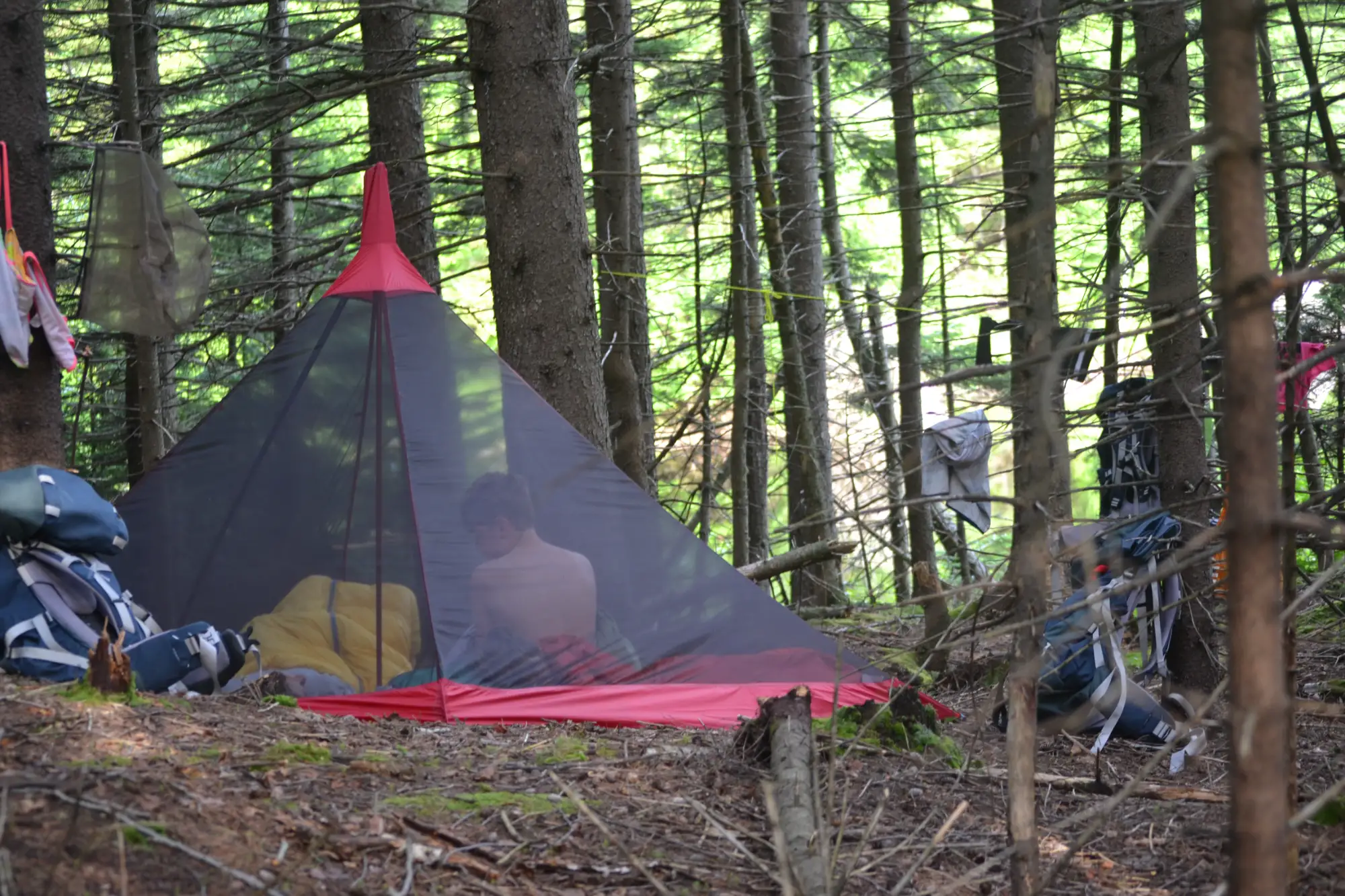
Camping Responsibly in Vermont
Camping is a great way to enjoy Vermont's outdoors, but it comes with a shared responsibility to protect the land, water, wildlife, and other visitors. Practicing good camping ethics helps keep natural areas healthy, safe, and enjoyable for everyone.
To learn more about how to camp responsibly in Vermont, explore the resources below:
Leave No Trace Principles
Learn the core principles of minimizing your impact while camping, hiking, and recreating outdoors: Green Mountain Club – Leave No Trace
Vermont Camping Resources
Find information on where and how to camp in Vermont, including rules, permits, and camping options across the state:
- Vermont Department of Forests, Parks and Recreation – Camping
- Green Mountain National Forest – Camping & Cabins
Dispersed Camping
You are welcome to camp for free in your national forest, including the Green Mountain National Forest! Dispersed (or primitive) camping allows camping outside of designated campgrounds with no fees or reservations.
Camp at least 200 feet from roads, trails, and water, use established sites when available, and pack out all trash. There are no amenities like bathrooms, trash service, or drinking water, so plan accordingly and follow Leave No Trace practices. Stays are generally limited to 14 days within a 30-day period in one area. Always check for local restrictions or fire regulations before camping.
Camping in the Mad River Valley
Looking for places to camp in and around the Mad River Valley? The options below include both informal and developed campgrounds nearby:
- White River / Gulf Brook area — Free, informal roadside camping that is well-maintained and available year-round.
- Little River State Park — The closest state park campground to the Mad River Valley, offering designated sites, restrooms, and other basic amenities during the camping season.